
Indoor Air Quality Check: A Complete Guide
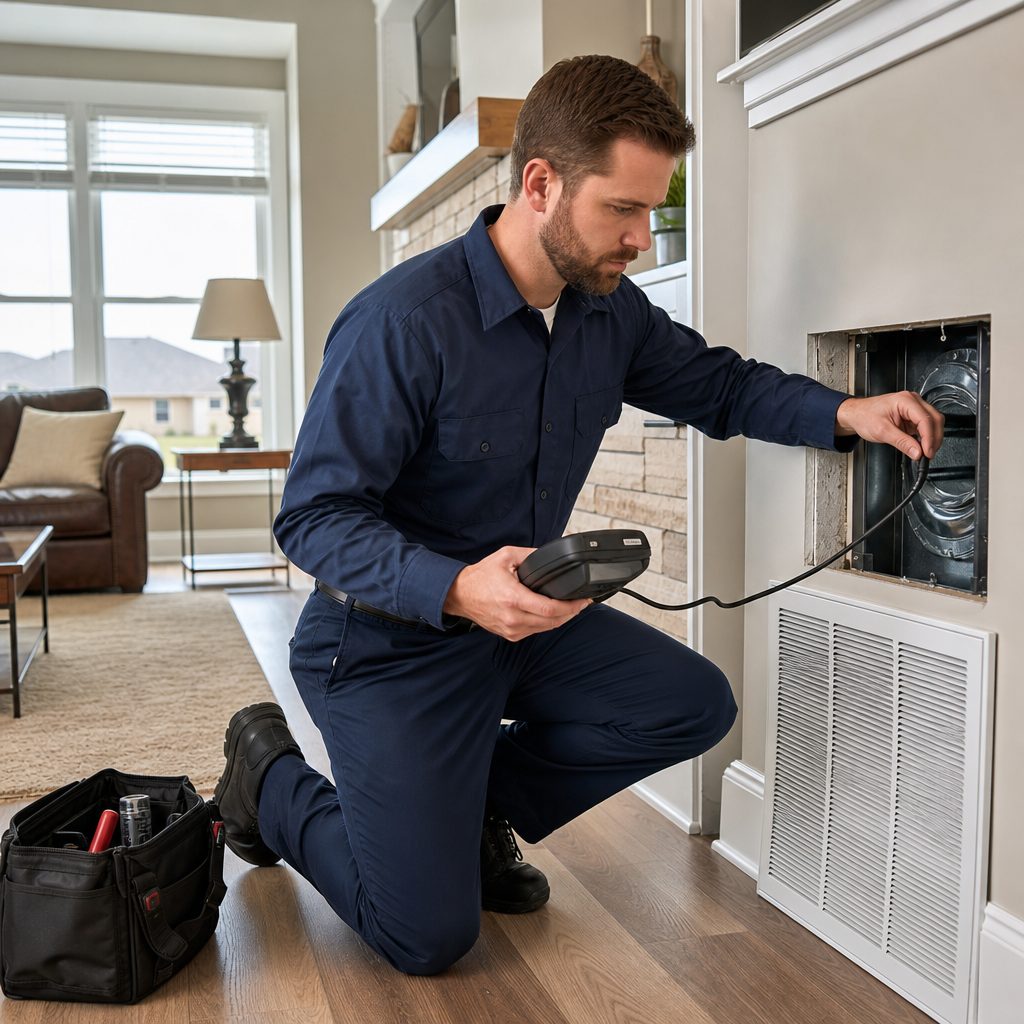
The air inside your home might look fine — but looks don’t tell the whole story. Studies consistently show that indoor air can be 2 to 5 times more polluted than outdoor air, even in a place as open and rural as Central Kansas. If anyone in your household deals with allergies, asthma, or unexplained headaches, a proper indoor air quality check is often the first step toward real answers.
This guide walks you through what an indoor air quality check involves, what you can do yourself, and when it’s time to call a pro.
What Is an Indoor Air Quality Check?
An indoor air quality (IAQ) check is an assessment of the air inside your home — measuring pollutants, humidity levels, ventilation, and airflow. The goal is to identify whether your home has elevated levels of:
- Particulate matter (dust, pet dander, pollen)
- Volatile organic compounds (VOCs) from cleaning products, paints, or furniture off-gassing
- Carbon monoxide from gas appliances or improper combustion
- Mold spores from moisture issues
- High or low humidity that affects comfort and respiratory health
In Central Kansas, seasonal shifts — dry winters, humid summers — can swing indoor humidity dramatically. Both extremes cause problems: too dry and you get irritated sinuses and static; too humid and you’re creating conditions for mold growth and dust mites.
How to Check Indoor Air Quality Yourself
You don’t need a lab to get a baseline picture of your home’s air. Here’s where to start:
1. Watch for Warning Signs
Before buying any equipment, pay attention to what your home is already telling you:
- Persistent musty or stale odors
- Visible dust buildup on vents or registers
- Family members experiencing frequent sneezing, coughing, or headaches indoors
- Condensation on windows in winter
- Mold spots near vents, bathrooms, or exterior walls
2. Check and Replace Your Air Filter
Your HVAC filter is the first line of defense. A clogged filter doesn’t just restrict airflow — it stops catching pollutants and can push them back into your living space. Check it monthly; replace it every 1–3 months depending on usage and whether you have pets.
3. Use a Consumer IAQ Monitor
Affordable plug-in and tabletop IAQ monitors (brands like AirThings, Temtop, or Awair) can measure CO₂, VOCs, humidity, and particulates in real time. They’re not professional-grade, but they’re useful for spotting trends — like a spike in VOCs after painting or using certain cleaning products.
4. Test for Radon
Radon is invisible and odorless, and Kansas has elevated radon levels in many areas. Long-term radon test kits (90+ days) are the most accurate. Short-term kits are available at hardware stores if you need a faster read.
5. Check Humidity Levels
A simple hygrometer (under $15) tells you your indoor relative humidity. Ideal range is 30–50%. Below 30% in winter dries out respiratory tissue; above 50% in summer encourages mold and dust mites.
When a DIY Check Isn’t Enough
Consumer tools give you a starting point, but they have limits. If your monitor is showing elevated readings, symptoms aren’t improving, or you suspect a specific source like mold, duct contamination, or a combustion issue — you need a professional assessment.
A trained HVAC technician can:
- Inspect your ductwork for leaks, buildup, or biological growth
- Evaluate your system’s ventilation rate against the size of your home
- Recommend and install targeted solutions like whole-home air purifiers, UV filtration, humidifiers, or dehumidifiers
- Identify combustion appliance issues that may be introducing CO or CO₂
If you’re in El Dorado, Hillsboro, or Emporia, Don’s Heating & Air offers indoor air quality services tailored to Central Kansas homes — with free on-site quotes and same-day service availability.
Solutions That Actually Work
Once you know what’s in your air, here’s what makes a real difference:
- Media air cleaners — upgraded filtration beyond standard 1″ filters
- UV germicidal lights — kill bacteria and mold spores inside the air handler
- Whole-home humidifiers/dehumidifiers — maintain optimal humidity year-round
- ERV/HRV ventilation — brings in fresh outside air without losing conditioned air
- Duct cleaning — removes accumulated debris that recirculates every time your system runs
The right solution depends on what your check reveals. There’s no one-size-fits-all fix, which is why a proper assessment matters before you spend money on equipment.
The Bottom Line
An indoor air quality check doesn’t have to be complicated. Start with your filter, pick up a basic monitor, and pay attention to how people in your home feel. If something’s off, don’t wait — air quality issues tend to compound, not resolve on their own.
Don’s Heating & Air has been serving Central Kansas homes since 1959. If you want an expert set of eyes on your home’s air quality, request a free quote or call us to schedule service — same-day availability across El Dorado, Hillsboro, and Emporia.