
How Does a Heat Pump Work? A Complete Guide for Central Kansas Homeowners
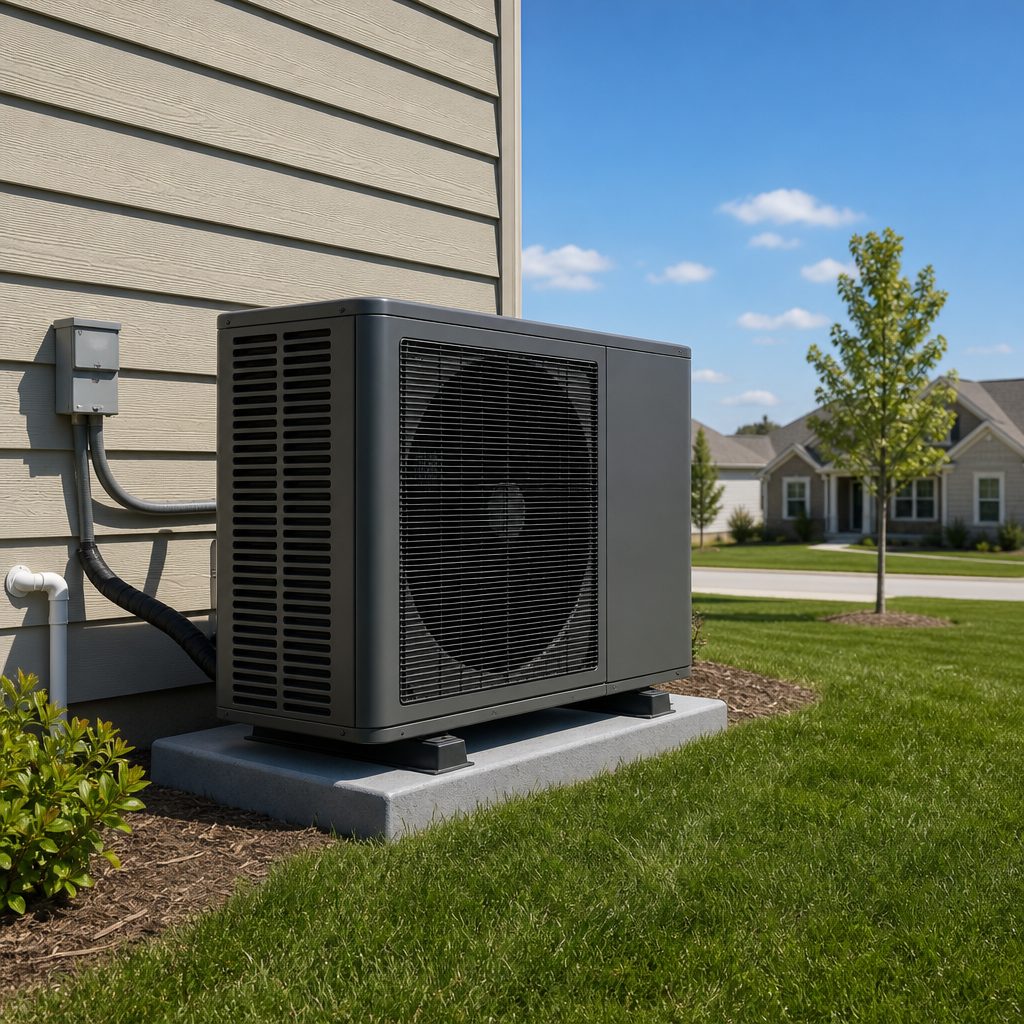
How Does a Heat Pump Work?
If you’ve been shopping for a new HVAC system or heard neighbors in El Dorado talking about heat pumps, you’ve probably asked yourself: how does a heat pump actually work? It sounds like it runs on magic — one system that heats your home in winter and cools it in summer — but the science behind it is straightforward once you break it down.
Here’s everything you need to know.
—
The Core Concept: Moving Heat, Not Creating It
The biggest misconception about heat pumps is that they generate heat. They don’t — they move it.
In the winter, a heat pump extracts heat energy from the outdoor air (even cold air contains usable heat) and transfers it inside your home. In the summer, it reverses the process — pulling heat from inside your home and releasing it outside, just like a central air conditioner.
This is why heat pumps are significantly more energy-efficient than traditional furnaces. Instead of burning fuel to create heat, they’re simply relocating heat that already exists. For every unit of electricity used, a heat pump can deliver 2–3 units of heating or cooling energy.
—
The Key Components
Understanding the parts helps the process make sense:
- Refrigerant — The fluid that circulates through the system and carries heat energy
- Evaporator coil — Absorbs heat from one location (outdoor air in winter, indoor air in summer)
- Compressor — Pressurizes the refrigerant, raising its temperature
- Condenser coil — Releases absorbed heat into the target space
- Reversing valve — The component that switches the system between heating and cooling mode
These components work together in a continuous loop. The refrigerant changes from liquid to gas and back again as it moves through the system, absorbing and releasing heat at each stage.
—
How Heating Mode Works (Winter)
- The outdoor unit draws in cold outside air across the evaporator coil
- Refrigerant inside the coil absorbs heat from that air and evaporates into a gas
- The compressor pressurizes the gas, which raises its temperature significantly
- The hot gas moves to the indoor coil, where it releases heat into your home’s air
- The refrigerant cools, returns to liquid form, and the cycle repeats
Even at 20°F outside, there’s enough thermal energy in the air for a heat pump to operate efficiently. Modern cold-climate heat pumps — including Mitsubishi systems we install — can function in temperatures well below zero.
—
How Cooling Mode Works (Summer)
The process simply runs in reverse:
- Warm indoor air passes over the evaporator coil inside your home
- Refrigerant absorbs that heat and carries it to the outdoor unit
- The compressor pressurizes the refrigerant
- The outdoor coil releases the heat outside
- Cool, dehumidified air returns to your living space
This is identical to how a standard central air conditioner operates — because mechanically, they’re the same thing. The heat pump just has that reversing valve to flip directions.
—
Is a Heat Pump Right for Central Kansas?
Kansas weather throws a full range at your HVAC system — humid summers pushing into the upper 90s and winters that can drop well below freezing. Heat pumps handle this range well, especially modern systems with variable-speed compressors that modulate output instead of cycling on and off.
A few things to consider for El Dorado and surrounding areas:
- Efficiency gains are real — Most homes in our area see meaningful reductions in heating costs compared to electric resistance or older gas systems
- Dual-fuel setups — Pairing a heat pump with a gas furnace backup gives you the best of both worlds for extreme cold snaps
- Sizing matters — An undersized system won’t keep up on the coldest Kansas days; an oversized one short-cycles and wears out faster
If you’re weighing options, Don’s has been helping Central Kansas homeowners make the right call on heat pump services since 1959. We know what works here.
—
Signs Your Existing Heat Pump Needs Attention
Even a well-installed system needs maintenance. Watch for:
- Ice buildup on the outdoor unit outside of defrost cycles
- Unusual sounds (grinding, rattling, or squealing)
- Inconsistent temperatures room to room
- Sudden spikes in your electric bill
- The system running constantly without reaching your set temperature
If any of these show up, it’s worth getting a pro out before a small issue becomes a full replacement. Our team serves El Dorado, Hillsboro, and Emporia — same-day service available.
—
Ready to Talk Heat Pumps?
Whether you’re curious about switching from your current system or need service on an existing heat pump, Don’s Heating & Air has the experience to back it up. Over 65 years in Central Kansas, 10-year system warranties, and free on-site quotes.
Call or text us today, or get a free quote online — we’ll help you figure out what makes sense for your home.